استقبال وفد جامعة العين الى مختبرات القسم
عدد الزيارات: 16409615 مشاهدة
بواسطة: قسم هندسة الطب الحياتي
تاريخ النشر: 2025-10-12
اخر تصفح: 2026-10-24
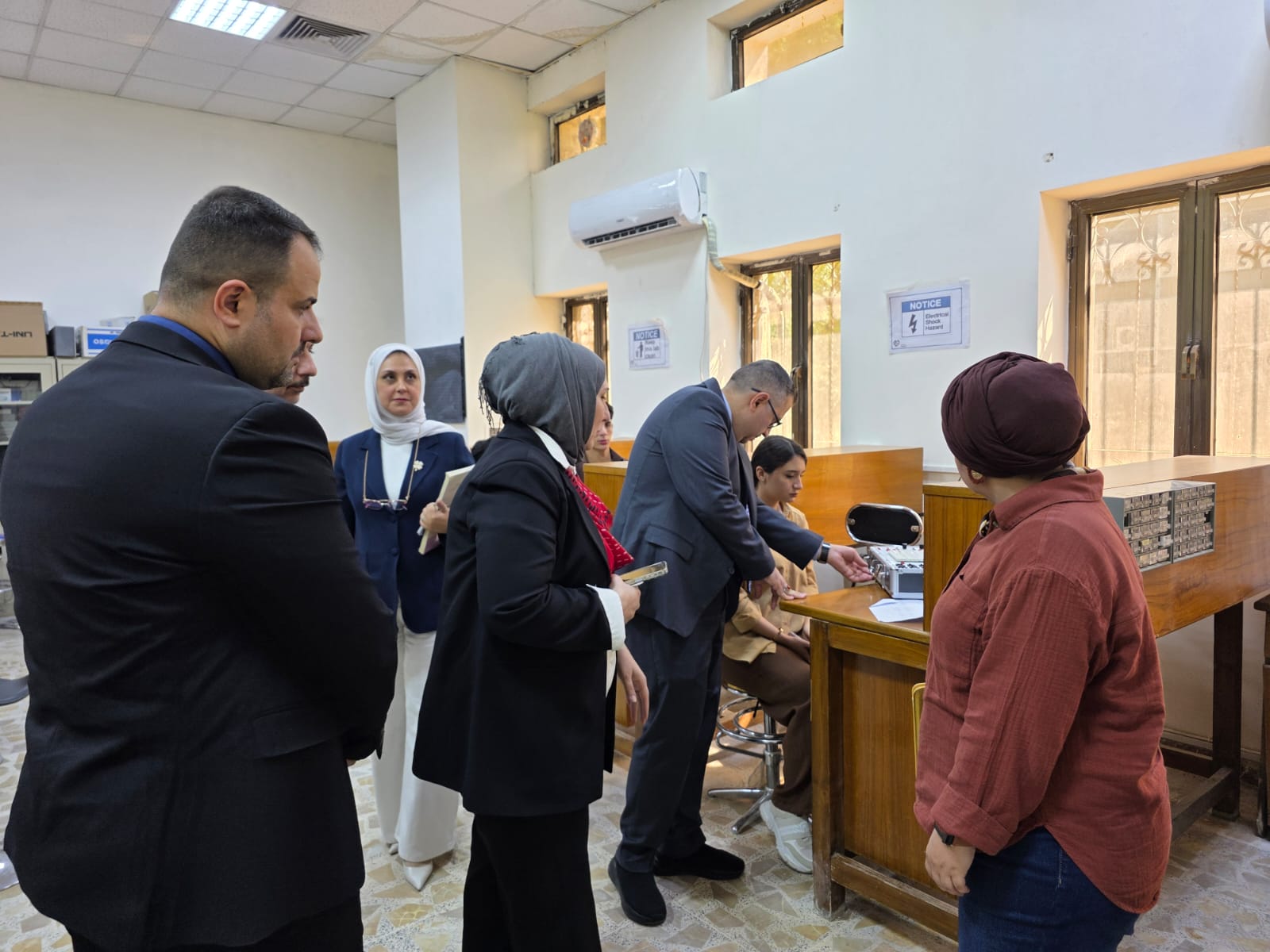
استقبل قسم هندسة الطب الحياتي في كلية الهندسة-جامعة النهرين وبرعاية كريمة من السيد عميد كلية الهندسة الاستاذ الدكتور اياد مراد طخاخ المحترم وفداً من جامعة العين العراقية ووفقاً للأتفاقية المكرمة بين الطرفين وقد تمثل الوفد بالسيد عميد كلية الهندسة في جامعة العين العراقين الاستاذ الدكتور فراس فائق كاظم والسيد رئيس قسم هندسة الطب الحياتي في كلية الهندسة -جامعة العين العراقية الدكتور باسم علي كريدي والسيد مدير التسجيل في الكلية الاستاذ المساعد الدكتور معتز سلمان حسن وكان بأستقبالهم السيدة رئيس قسم هندسة الطب الحياتي الأستاذ الدكتورة أنس قصي هاشم والسيدة مدير شعبة العلاقات الثقافية الاستاذ المساعد الدكتورة اسيل محمد علي حسين ومجموعة من اساتذة المختبرات في القسم. وتهدف زيارة وفد جامعة العين إلى مختبرات قسم هندسة الطب الحياتي – كلية الهندسة – جامعة النهرين وضمن إطار الاتفاقية العلمية والتعاون المشترك بين الجامعتين، الى تحقيق مجموعة من الأهداف العلمية والإدارية والبحثية، من أهمها: 1. تعزيز التعاون الأكاديمي والبحثي بين جامعتي النهرين والعين في مجال هندسة الطب الحياتي والتخصصات ذات الصلة. 2. الاطلاع على الإمكانيات المختبرية والتقنية المتوفرة في قسم هندسة الطب الحياتي بجامعة النهرين، والاستفادة من التجهيزات المتقدمة في دعم البحوث والتدريب العملي. 3. تبادل الخبرات العلمية والتربوية بين أعضاء الهيئة التدريسية في القسمين، بما يسهم في رفع مستوى التعليم والبحث العلمي. 4. بحث فرص تطوير المناهج الدراسية المشتركة أو البرامج التدريبية التي تعزز من مهارات الطلبة وتواكب متطلبات سوق العمل. 5. تفعيل الاتفاقيات ومذكرات التفاهم الموقعة بين الجامعتين، والعمل على تنفيذ مشروعات بحثية مشتركة. 6. تعزيز الروابط الثقافية والعلمية بين الجامعتين لتشجيع زيارات متبادلة مستقبلية وورش عمل مشتركة. 7. استعراض التجارب الناجحة في إدارة وتشغيل المختبرات التعليمية والبحثية بما يعزز من كفاءة استخدام الموارد المتاحة. The Department of Biomedical Engineering at the College of Engineering – Al-Nahrain University, under the generous patronage of the Dean of the College of Engineering, Prof. Dr. Iyad Murad Takhakh, received a delegation from Al-Ain University – Iraq, in accordance with the cooperation agreement between the two parties. The visiting delegation included Prof. Dr. Firas Faeq Kazem, Dean of the College of Engineering at Al-Ain University, Dr. Basim Ali Kreedy, Head of the Biomedical Engineering Department at Al-Ain University, and Asst. Prof. Dr. Moataz Salman Hassan, Director of Registration at the college. They were welcomed by Prof. Dr. Anas Qusay Hashim, Head of the Biomedical Engineering Department at Al-Nahrain University, Asst. Prof. Dr. Aseel Mohammed Ali Hussein, Director of the Cultural Relations Division, along with a group of laboratory instructors from the department. The visit of the Al-Ain University delegation to the laboratories of the Biomedical Engineering Department – College of Engineering – Al-Nahrain University, came within the framework of the scientific agreement and mutual cooperation between the two universities, and aimed to achieve a number of scientific, administrative, and research objectives, most notably:
Strengthening academic and research collaboration between Al-Nahrain University and Al-Ain University in the field of Biomedical Engineering and related disciplines. Exploring the laboratory and technical capabilities available in the Biomedical Engineering Department at Al-Nahrain University and benefiting from its advanced facilities to support research and practical training. Exchanging scientific and educational expertise between faculty members of both departments to enhance the quality of education and scientific research. Discussing opportunities for developing joint curricula or training programs that improve students’ skills and align with labor market needs. Activating the agreements and memorandums of understanding signed between the two universities and working on implementing joint research projects. Strengthening cultural and scientific ties between the two universities to encourage future exchange visits and joint workshops. Reviewing successful experiences in managing and operating educational and research laboratories to enhance the efficiency of resource utilization.


